Category

Advice for Roses

02/06/2020

Pests and Diseases

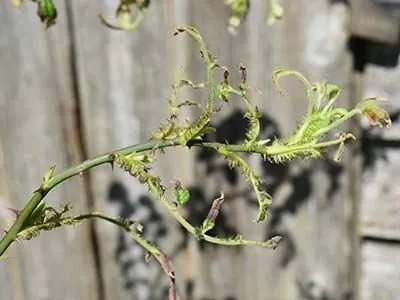
Pests and diseases that affect roses As with all plants, roses can become infested with pests or damaged by disease. This should not however be a reason for not including them in the garden, as Peter used to say ‘what are a few black spots among friends?’Good husbandry is really a matter of common sense, a little bit of logical thinking in relation to the choice of variety and it’s situation, its care coupled with preventative measures will go a long way in maintaining a healthy rose. Pests Pests can... Read More

29/04/2020

Seedlings and hybridising

On our show plant and hybridising nursery, which is separate and isolated from our main nursery, we are down to a skeleton crew. Just me. So without the major spring flower shows to look forward to it seems very quiet here at the moment, but the plants keep some kind of normality to life. The seedlings are now growing lovely and hybridising has started. Bringing us full circle. Did you know some roses like Rosa banksiae can only be produced from cutting? These cuttings were moved from modular cells to... Read More

17/11/2017

The creation of a Wildlife Garden at Peter Beales Roses

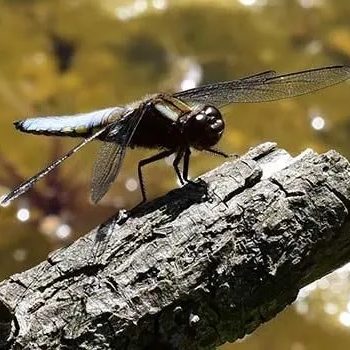
Over the past few years our gardens have been dramatically expanded and improved, with many new structures and features being added. One of the recent developments was the addition of our wildlife garden, which was opened in May 2016 and is a fabulous addition to our gardens here in Attleborough, Norfolk. The wildlife garden is managed in an entirely different way to our main rose gardens, with our gardeners demonstrating a more relaxed and natural approach to maintaining and developing the area. This new section of garden features two ponds,... Read More

06/10/2017

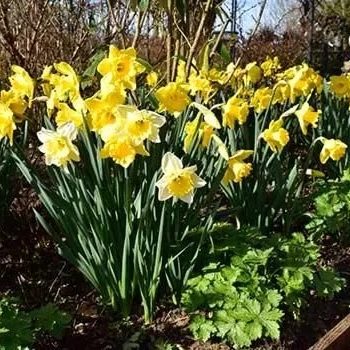
How to Plant Bulbs

As the summer draws to a close, many gardener’s start to look ahead to spring and the joy of the first flowers of the season starting to emerge. Spring bulbs are an essential part of any garden and have an amazing ability to lift people’s moods after the cold, wet and often uninspiring challenges of winter. To enjoy a truly spectacular display each year it is worth considering a few important things before planting. Preparation Fork the soil over well and mix in a slow-release fertiliser such as bone meal... Read More

02/10/2017

Hybridising Roses – How a Peter Beales rose is bred

How are new roses created? New roses are created through hybridisation, which is the art of crossing 2 different roses to produce a completely new variety. Hybridising is not to be confused with budding, which is a way of cloning an existing rose, much like how growing plants from cuttings is also a way of cloning. To find out more about how to bud roses please click here. Our goal is always to try to breed the perfect rose. One which is strong and healthy, of a fashionable shape and colour, heavily... Read More

06/09/2017

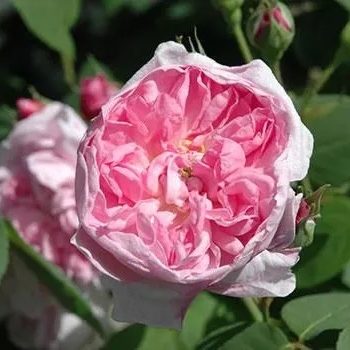
The Truly Classic Rose

We all have a picture in our minds of how a classic rose garden looks and smells. The masses of beautiful flowers in early summer and the gorgeous scent drifting through the warm summer air. Typically, the roses that we would describe as ‘classic roses’ are the Gallicas, Albas, Mosses, Centifolias, Damasks and Species. These roses generally tend to have very old origins and often have beautiful, highly scented flowers, will grow happily in any soil condition and are very healthy. Some of these groups are even considered to include some of the most beautiful of all... Read More

06/09/2017

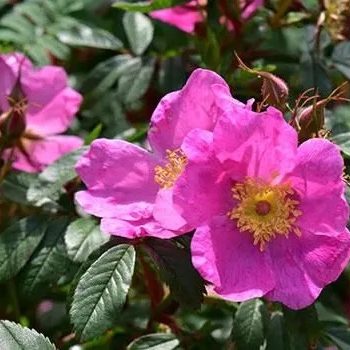
Species Roses

Species roses are becoming a more and more popular choice in our gardens, but what exactly is a species rose? They are best described as wild or pure roses of natural origin, with mostly single flowers. Originating from all around the northern hemisphere, many date back to ancient history and are the ancestors that all modern roses originated from. Rose petals and leaves from species roses have even been known to have been found in tombs belonging to ancient Egyptians. Used within garlands, which would have been worn by loved ones,... Read More

06/09/2017

The Second Flush

Whilst many people think of June as being the month for roses, September can actually be almost as productive. This is the time that the majority of repeat flowering varieties will produce their second flush of flowers, bringing your garden back to life with a riot of colour in late summer. Flowers produced later in the season can often be stronger and more vibrant in colour than they were in early summer as well, adding further to the enjoyment of the second flush from repeat flowering roses. This is because... Read More

06/09/2017

A worry free guide to pruning roses

Whether you are completely new to roses or have been growing them for years, pruning them can seem like a bit of a daunting task, but it needn’t be. The first thing I would really like to stress is that no matter how bad a job you make of pruning your roses, you are not going to kill them! As the old gardener’s saying ‘Get your worst enemy to prune your roses’ suggests, roses are tough and can take a lot more abuse than people give them credit for. Just... Read More