
 03/06/2020
peterbealesroses | blog
03/06/2020
 03/06/2020
 03/06/2020
Advice for Roses
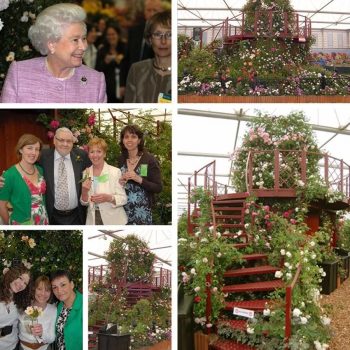
RHS Chelsea Flower Show 2002
In 2002 we introduced the rose St Ethelburga at the request of The Worshipful Company of Gardeners and was launched by Jenny Agutter. It is named for the church of the same name in Bishopsgate London. Largely destroyed by a bomb, it is now restored and a Centre for Peace and Reconciliation. Back to RHS Chelsea Flower Show History
 03/06/2020
 02/06/2020
Advice for Roses
Pruning and Dead-Heading Roses
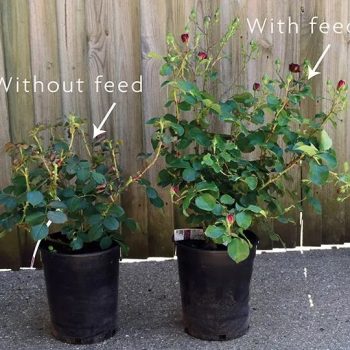
Pruning your Roses Pruning worries many gardeners but if you keep the rules simple it is quite a logical procedure. In all pruning, dead and diseased wood should always be removed. If taking away an entire branch, try to leave as little of it behind as possible to avoid dead stumpy areas on the plant. All other cuts should be made above an outward-facing bud and on an angle away from it, thus preventing rain-water from sitting there. Remove wood, which has rubbed against other branches, and become damaged. Try... Read More
 02/06/2020
Advice for Roses
How to Plant Roses
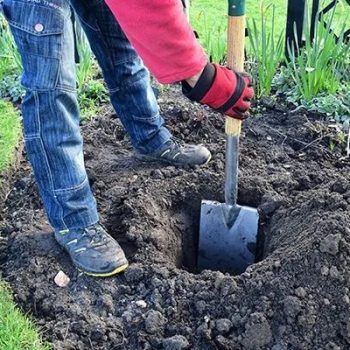
How to Plant Bare Root Roses step-by-step video How to Plant Container Roses step-by-step video We hope you found our video guides helpful. Please read on for more detailed information on planting roses… Soil types and Preparation It is wise to think well in advance about the soil you are going to be planting your rose into. To begin with it is good to know a little about your soil type. Is it sandy, chalky, clay or loam? On the whole roses love clay, enjoy a well-balanced loam, tolerate sandy... Read More
 02/06/2020
Advice for Roses
Training Roses
Training climbing and rambling roses Roses do not cling to the wall themselves like some plants do. Therefore they will require tying in. On a wall it is a good idea to put up trellis or wires for this purpose. As the rose grows it should be encouraged to grow horizontally outward and upward. The lower stems straight out where possible and the taller ones, up and then outward. In this way new growth will be encouraged, as will more flowers. On a pillar it is best, where possible to... Read More
 02/06/2020
Advice for Roses
Pests and Diseases
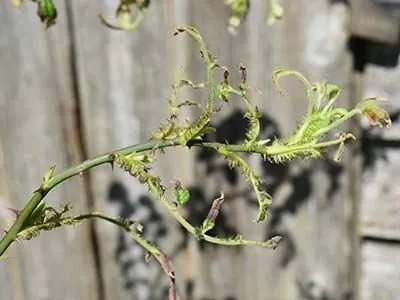
Pests and diseases that affect roses As with all plants, roses can become infested with pests or damaged by disease. This should not however be a reason for not including them in the garden, as Peter used to say ‘what are a few black spots among friends?’Good husbandry is really a matter of common sense, a little bit of logical thinking in relation to the choice of variety and it’s situation, its care coupled with preventative measures will go a long way in maintaining a healthy rose. Pests Pests can... Read More
 29/04/2020
Advice for Roses
Seedlings and hybridising
On our show plant and hybridising nursery, which is separate and isolated from our main nursery, we are down to a skeleton crew. Just me. So without the major spring flower shows to look forward to it seems very quiet here at the moment, but the plants keep some kind of normality to life. The seedlings are now growing lovely and hybridising has started. Bringing us full circle. Did you know some roses like Rosa banksiae can only be produced from cutting? These cuttings were moved from modular cells to... Read More
 17/11/2017
Advice for Roses
The creation of a Wildlife Garden at Peter Beales Roses
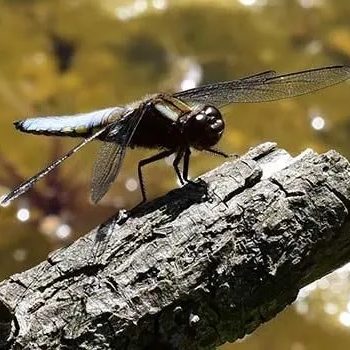
Over the past few years our gardens have been dramatically expanded and improved, with many new structures and features being added. One of the recent developments was the addition of our wildlife garden, which was opened in May 2016 and is a fabulous addition to our gardens here in Attleborough, Norfolk. The wildlife garden is managed in an entirely different way to our main rose gardens, with our gardeners demonstrating a more relaxed and natural approach to maintaining and developing the area. This new section of garden features two ponds,... Read More