Pruning & Maintenance
Pruning is one of the most important tasks you can do for your roses—and it’s simpler than you might think! Think of it as a “reset button” for your plants. By trimming away old or overgrown parts, you’re not just shaping your rose bush; you’re setting it up for a season of vibrant growth and stunning flowers.
Best Time: Late winter or early spring, just as new buds start to swell (after the last frost in colder climates).
Maintenance Pruning: Lightly trim dead or damaged branches anytime during the growing season.
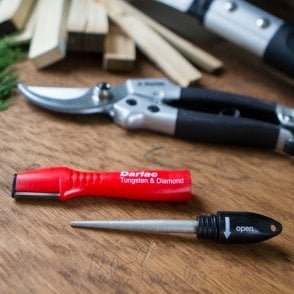
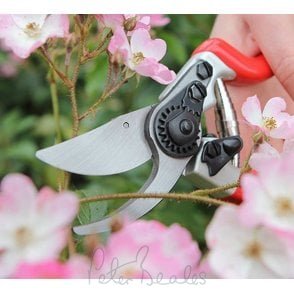
Tools You’ll Need: Sharp bypass pruners (clean them with rubbing alcohol to avoid spreading disease!).
Cut Strategically:
- Trim at a 45-degree angle, about ¼ inch above an outward-facing bud. This directs new growth away from the centre of the plant.
- Remove dead, diseased, or spindly branches first.
- Cut back old woody stems to encourage new, flexible growth.
Less Is More: Avoid over-pruning! For most roses, aim to remove about ⅓ of the plant’s height.
- Climbing Roses: Focus on training long canes horizontally for more blooms.
- Shrub Roses: Trim lightly to maintain their natural shape.
- Hybrid Teas: Prune harder to promote large, show-stopping flowers.
Pruning might feel intimidating at first, but it’s like giving your roses a fresh start. With a little practice, you’ll see healthier plants & more blooms.