Up to 25% Off Potted Roses

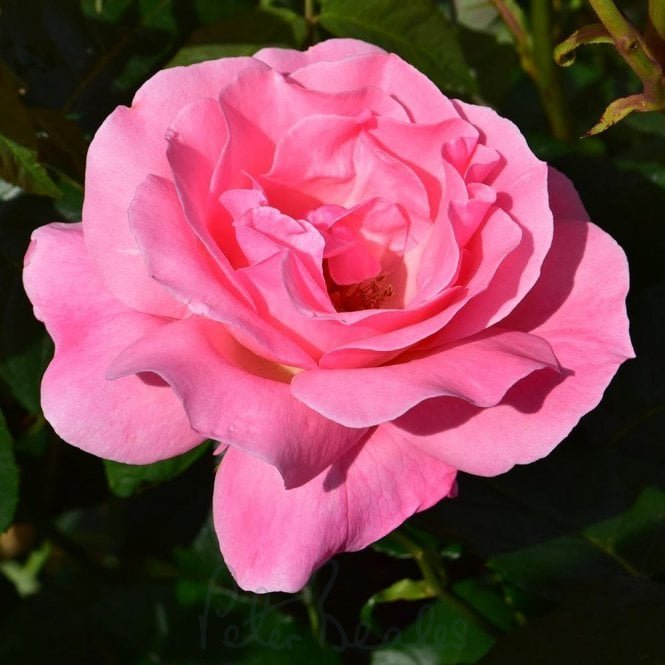
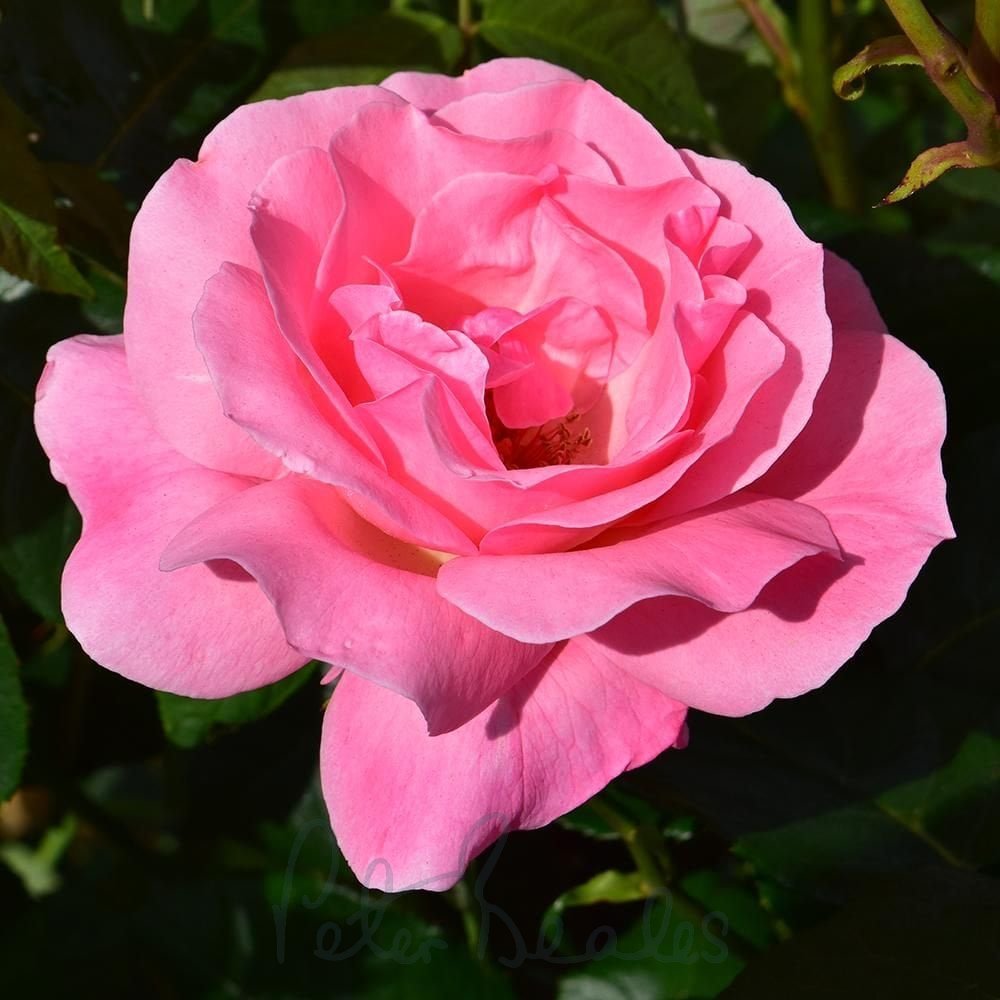
Queen Elizabeth

  • Now £25.60
  • (Delivery from £7.99 )
Save 20% on 1 Potted Rose, 25% on 2 or more

(Floribunda) Large clear pink, double blooms. Tall, healthy, very reliable and hardy.

Be the first to review Queen Elizabeth. Write a review
Advice
What is a bare root rose?

A bare root rose is a rose plant that is sold with its roots exposed rather than planted in soil in a pot. These are typically available during the rose's dormancy period (late autumn to early spring) and are often chosen for planting in gardens.

Bare root or Potted
What is the difference between potted and bare root roses?
  • Potted roses are grown in containers with soil, available for planting all year round.
  • Bare root roses are supplied without soil and are typically only available from late autumn to early spring.
When is the best time to plant potted and bare root roses?
  • Potted roses can be planted at any time of the year, provided the ground isn’t frozen or waterlogged.
  • Bare root roses are best planted between November and March, while they are dormant.
What are the benefits of buying potted roses?
  • Ready for immediate planting at any time.
  • Established root system, meaning they may bloom faster in the first season.
  • Ideal for instant garden display.
What are the benefits of buying bare root roses?
  • Typically more cost-effective than potted roses.
  • Easier to transport as they come without heavy pots or soil.
  • Excellent choice for large planting projects or when planting multiple roses.
Which one should I choose for my garden?
  • Potted roses are ideal for small gardens, quick results, or if you want to plant outside the bare root season.
  • Bare root roses are perfect for experienced gardeners or those planning large-scale plantings in winter.
How do I care for potted roses before planting?

Keep them watered and in a sheltered spot if you don’t plant them right away. Avoid letting the soil dry out.

How do I store bare root roses before planting?

If planting is delayed, store bare root roses in a cool, frost-free place. Keep the roots moist by wrapping them in damp newspaper or hessian.

Will bare root roses take longer to establish than potted roses?

Bare root roses may take slightly longer to establish, but they often catch up quickly with proper care.

Are bare root roses lower quality than potted roses?

No, both bare root and potted roses are of the same quality. The difference lies in how they are sold and planted.

Can I buy bare root roses at any time of year?

Yes, you can purchase bare root roses year-round, but we only ship them from November, depending on weather conditions

Do potted roses need special care after planting?

Ensure they are well-watered and mulched. They should settle quickly if planted in good conditions.

Delivery
What are your delivery options?

We offer a range of delivery options to suit your needs:

  • Standard Delivery (£3.95)
  • Next Day Delivery (£5.95) 
  • Saturday Delivery (£7.95)
How long does delivery take?

Standard delivery for in-stock items is usually 3-5 working days. Pre-orders for bare root roses placed between April and November are despatched in November/December.

Can I track my order?

Yes, once your order is dispatched, you will receive a tracking link via email so you can monitor its progress.

What should I do if my order arrives damaged?

If your order arrives damaged or not in a healthy condition, please contact us within 48 hours of delivery and we will arrange a solution.

Do you ship internationally?

Currently, we only ship to the UK Mainland. For international enquiries, please email: export@peterbealesroses.com.

What happens if I’m not home for delivery?

If you’re not home, the courier may leave the parcel with a neighbour or in a safe place, as per your delivery instructions.

Can I amend my order once it’s been placed?

Changes to your order can be made, but due to the picking and packing process, this may not always be possible. Please contact us as soon as possible via phone or live chat.

Is there a cancellation fee?

Orders can be cancelled at no extra charge if they haven't been packaged. A £10 fee applies if the order has been packed but not yet dispatched.

Do you offer free delivery?

We offer free delivery on all orders over £75, unless stated on the product description. . 

How do I add a different delivery address?

During the checkout stage you can add a billing and shipping address. 

Key Info
Height Range 150cm x 75cm (5ft x 2.5ft)
Type Rosa
Rose Family Floribundas (cluster roses)
Date of Introduction 1954
Rose Colour Light Pink
Blooms Type Double
Flowering Period June | July | August | September | October | November
Suitable For Hedging | Good for Cut Flowers
Thorns A varied thorn count
Height Range 150cm x 75cm (5ft x 2.5ft)
Tolerant of poorer soils Yes
Fragrance Little or no fragrance
Can Be Grown As Small Climber No
Wildlife Friendly Yes
Flowering Times
Jan
Feb
Mar
Apr
May
Jun
Jul
Aug
Sep
Oct
Nov
Dec
Fragrance
Fragrance Little or no fragrance
Product Options 1+ Quantity Qty Line Total
Queen Elizabeth Potted Rose Queen Elizabeth Potted Rose 1+ £25.60 Was £32.00 Out of stock | Email me when back in stock | Add to wishlist
£25.60 Was £32.00 Out of stock | Email me when back in stock
Queen Elizabeth Bare Root Rose Queen Elizabeth Bare Root Rose 1+ £23.00 In stock | Add to wishlist Earliest estimated dispatch: 29th Nov 2026
£23.00
0
£0.00
Total: £0.00
Loading...

Queen Elizabeth Rose - Grandiflora

Description

Introducing the magnificent Queen Elizabeth Rose, a splendid Grandiflora variety bred by Walter Lammerts in 1954. This rose pays tribute to Queen Elizabeth II's ascension to the throne and is beloved for blending the sophistication of hybrid tea roses with the generous blooming nature of floribundas. With its stunning, large flowers and vigorous growth, the Queen Elizabeth Rose is sure to be a focal point in any garden.

Key Features

  • Flower Characteristics: The Queen Elizabeth Rose showcases large blooms measuring approximately 10 cm in diameter, with an enchanting silver-pink hue. These high-centered, cupped flowers feature 38-40 petals and emit a mild tea fragrance, often appearing either solitary or in elegant long-stemmed clusters.
  • Growth Habit: This rose develops into a tall and bushy shrub, soaring to heights of 150-210 cm and spreading to widths of 90-120 cm. Its large, glossy, deep green leaves create a beautiful contrast against the striking floral display.
  • Hardiness and Adaptability: The Queen Elizabeth Rose is prized for its resilience and disease resistance. It flourishes in a variety of soil types, such as chalk, clay, loam, and sand, preferring full sun and well-draining, moist conditions.

Care Instructions

  • Sunlight: Plant the Queen Elizabeth Rose in full sun, ensuring a minimum of six hours of direct sunlight daily.
  • Soil: Opt for rich, well-draining soil with a slightly acidic pH of 6-7.
  • Watering: Water regularly to maintain moist soil; avoid letting it become waterlogged.
  • Pruning: Prune annually to encourage healthy growth and manage shape; ensure adequate air circulation to reduce disease risk.
  • Fertilisation: Feed with a balanced rose fertiliser in early spring as new growth appears and again after the initial bloom.

Planting and Maintenance Tips

  • Ideal Planting Time: Early to mid-autumn is recommended for planting, allowing roots to establish before the onset of winter.
  • Soil Preparation: Ensure the planting area has well-draining, moist soil with sufficient air circulation.
  • Pruning Tips: Regularly prune to promote air circulation and speed up drying time of foliage after rain.

Why Choose the Queen Elizabeth Rose?

The Queen Elizabeth Rose stands out as a favourite among both novice and experienced gardeners for its ease of care, hardiness, and disease resistance. Its breathtaking blooms and lush foliage provide an exquisite display throughout the summer and early autumn, making it an ideal addition to any garden.

Companion Plants

Consider pairing the Queen Elizabeth Rose with aromatic herbs like lavender or delicate perennials such as catmint, which enhance its beauty while attracting beneficial pollinators to your garden.